.webp)

From our food systems to our streets, Melbourne has so much potential to become a world-leading regenerative city. Here, Nina Sharpe and Dheepa Jeyapalan explain how community holds the key to unlocking transformative change.
Imagine Melbourne with connected and accessible regenerative streets for everyone. Or Melbourne as the nutritious, equitable and sustainable foodie city we need it to be.
Tipping the foodie scales: Local vs corporate
As Melbournians, we cherish authentic food experiences: nourishing meals, meaningful moments shared around the dinner table, relationships with local market vendors, daily exchanges with baristas who know our coffee orders.
Yet our food system operates in a paradoxical realm where elements we find least valuable receive the most financial backing. Major corporations producing ultra-processed foods generate billions, while regenerative farmers who nurture our wellbeing and ecosystems struggle to earn a modest living.
"Looking ahead, Regen Melbourne's next phase will focus on developing tools that help food sector organisations articulate their full spectrum of impact."
Food should nourish more than our bodies
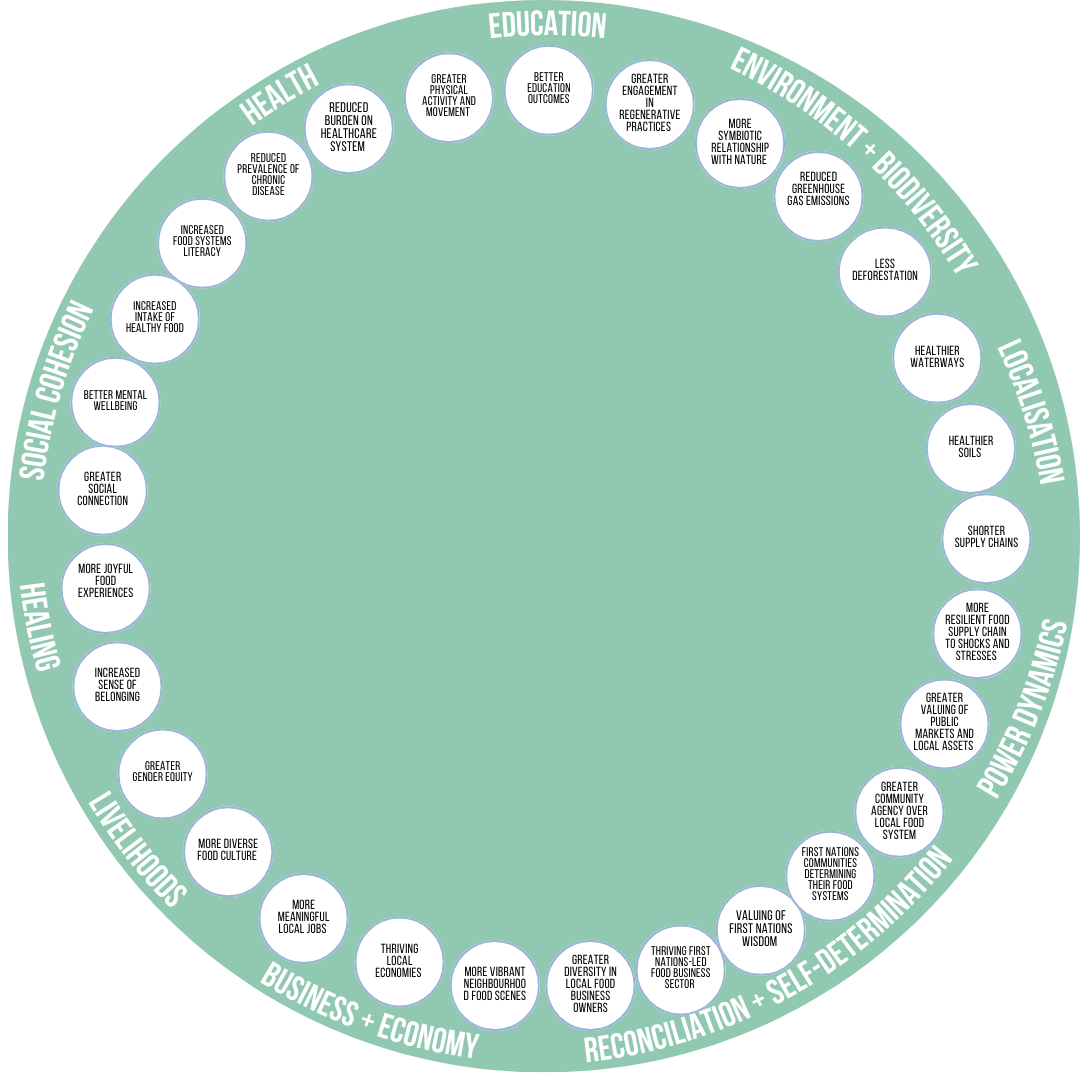
Our recent food system report reveals food's profound potential as a catalyst for change. A thoughtfully structured food system could restore our natural environment, create pathways to economic equality, and support First Nations communities' self-determination.
Our October gathering of food system advocates revealed that organisations create value in diverse and interconnected ways, yet they're constrained by narrow funding categories. Looking ahead, we'll focus on developing tools that help food sector organisations articulate their full spectrum of impact.
The Community Has Spoken: A Vision For Connected Neighbourhoods
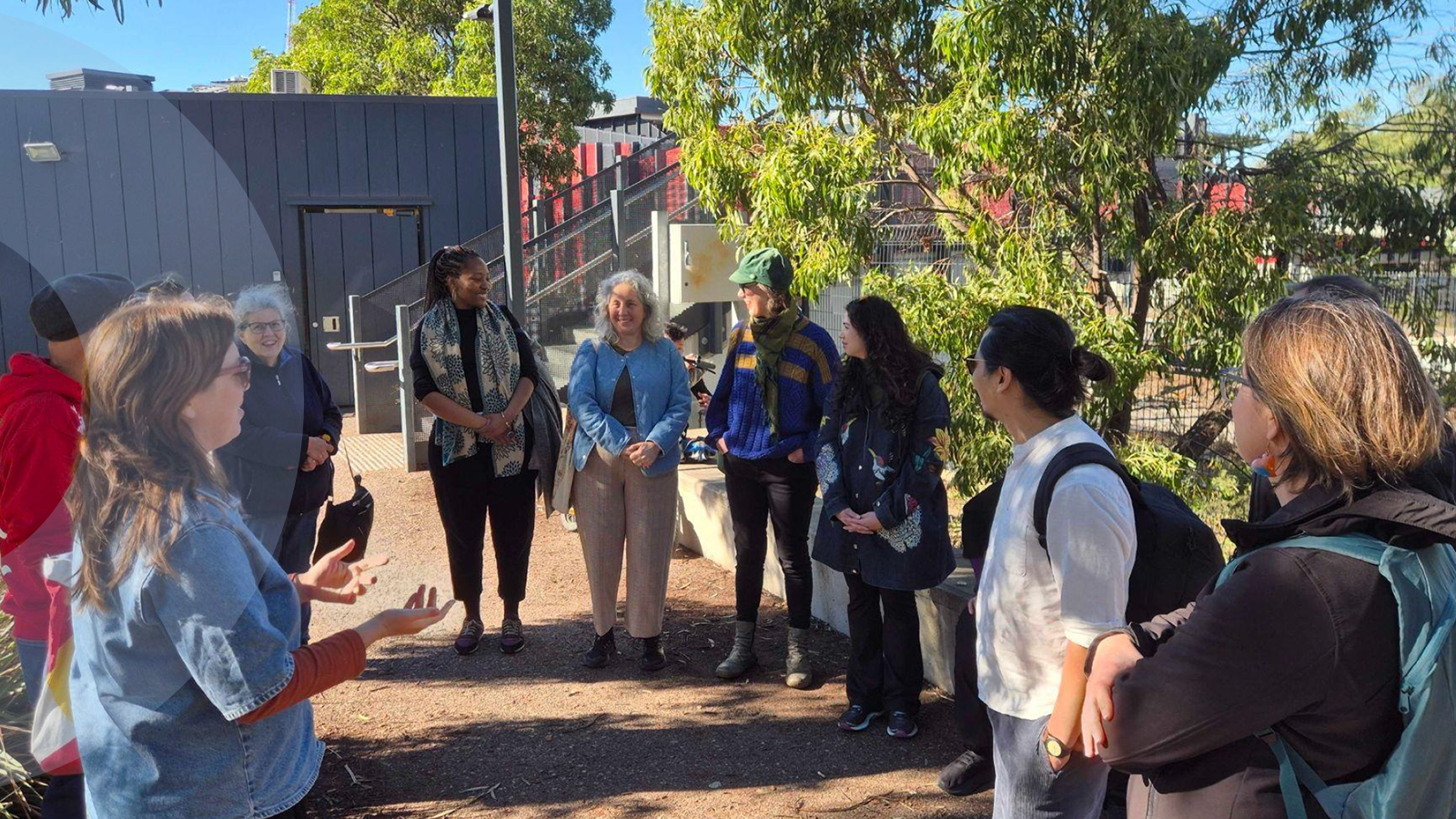
Over the last year, we've gathered on street verges, busy roads, in abandoned carparks and community spaces, inviting people to tell us their stories of place. The people we spoke with expressed gratitude for being given the space to think deeply about their neighbourhood.
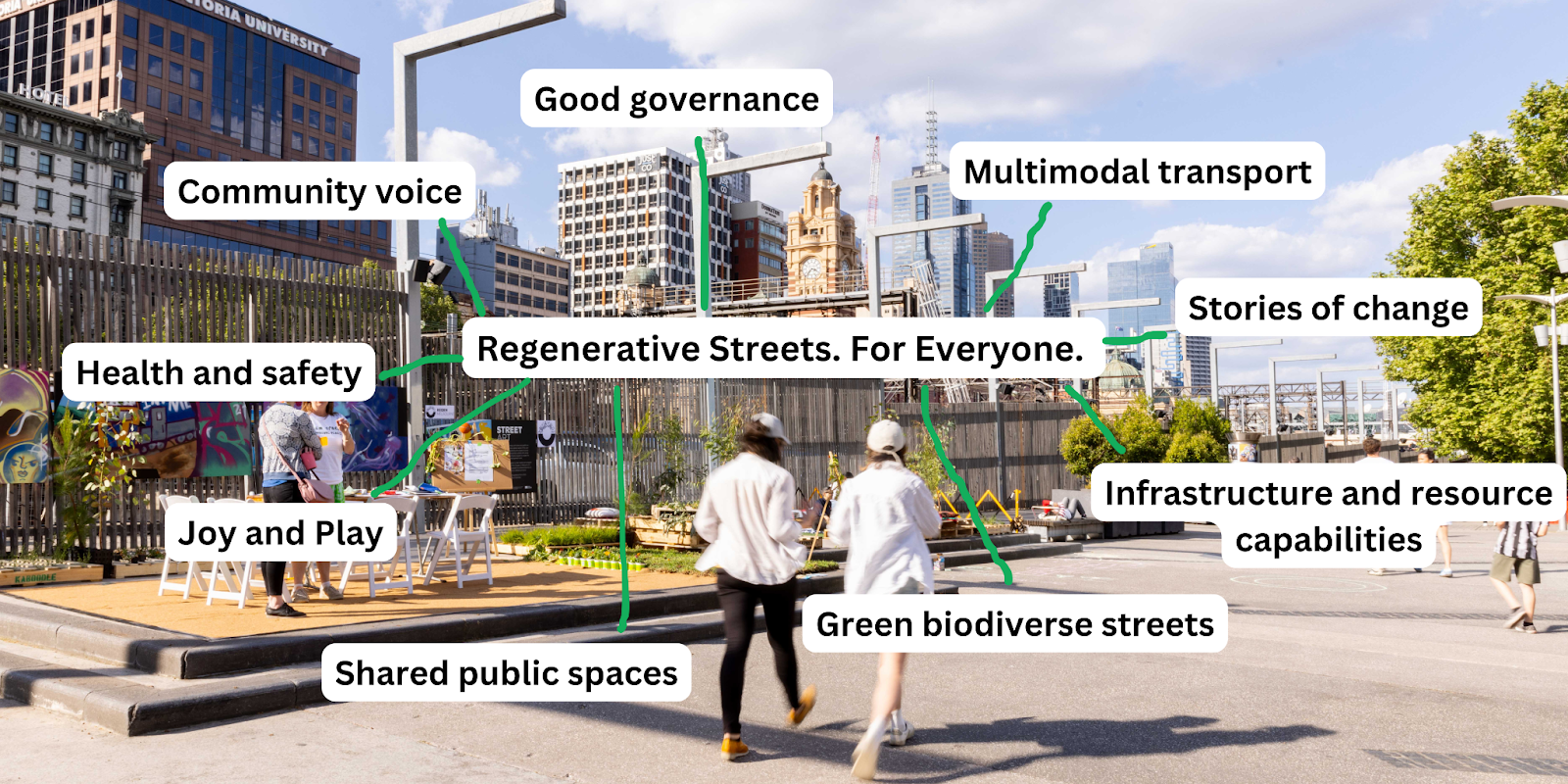
The data tells us communities want voices heard, good governance, safe and healthy streets, joyful and playful spaces, access to shared public spaces, balanced multi-modal transport, greener and more biodiverse streets, and stories of change that can drive transition.
We want to understand the misalignment between what we value and how our decisions and investment flows currently map to this. By amplifying the latent potential in our neighbourhoods and food systems, the change we need has a way forward.

.png)