.webp)
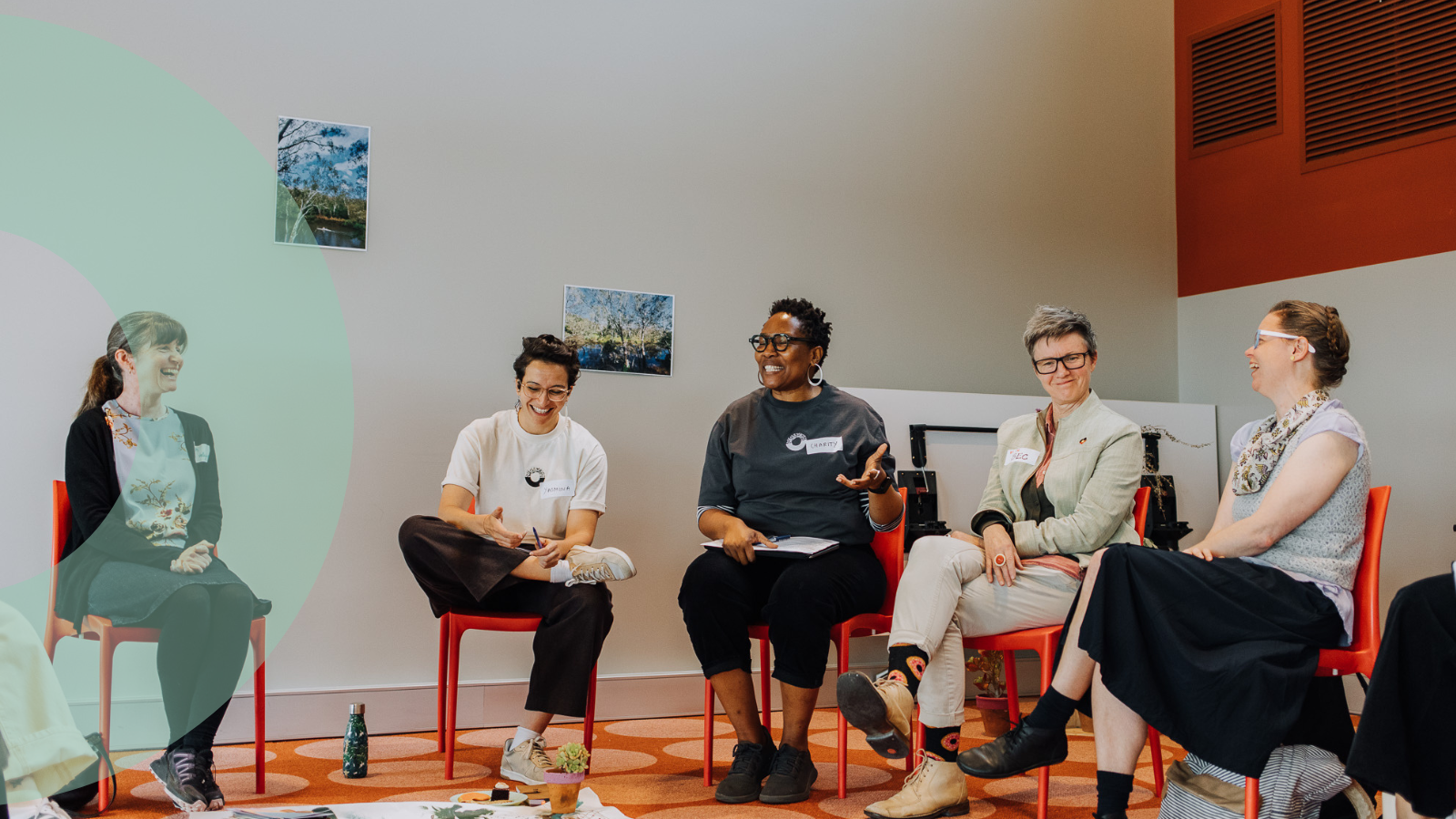
How can we utilise the power of ‘collective effervescence’ to help bridge the climate knowledge-action gap? Regen Melbourne's Research Activation Lead, Yasmina Dkhissi, explains why immersive storytelling is an integral part of the work.
At Regen Melbourne, we’ve been experimenting with the power of immersive storytelling and embodied experiences that shift the way we connect with one another. Not purely from our analytical heads, but by interrogating what the ingredients and conditions are that really lead to decision making, and create experiences that intentionally activate and connect.
Why? Because coherent and collective climate action is not happening at the pace required to meet our socio-ecological challenges. And it is clear that the knowledge-action gap in climate change is not caused by a lack of data.
As scientist Reto Knutti puts it:
“The gap between knowledge and action highlights that we have clearly underestimated the importance and complexity of the human factor in this process. And as physical scientists, our job is more than just number crunching: we are ambassadors of the science. Although we should not prescribe what is to be done, we need to step up to make sure that the science is being heard and that it is not being misused.”
Many have researched how to overcome the climate awareness-action: the systems and structures that influence and constrain agency (Hochachka); the theory-action gap (Kretz); and the power of storytelling for systems change (Snow); the psychology of change and integrative engagement in the climate context (Lertzman).
Research, practice and experience show that being aware and concerned about climate facts is not enough to move towards collective pro-socio-ecological behaviour, and what tends to motivate behavioural change involves narratives, emotion and activation. In studying the works of ethicists, psychologists, sociologists, behavioural scientists, neuroscientists and systems change practitioners around the world, a pattern emerges. That of connecting heads, hearts and hands to foster transformative change (Sipos, Orr, Cajete) – a framework which has been central to our work in service of regeneration.
In this time of international turbulence, polarisation and uncertainty – which climate change will only exacerbate – it is critical we come back to what makes us human. And humans are ‘feeling creatures that think’, neuroscientist Dr Jill Bolte-Taylor tells us (although many of us have been raised to think of ourselves as ‘thinking creatures that feel’). It is the combination of thinking, feeling and doing, together with an openness to learn in the process, that moves us forward.
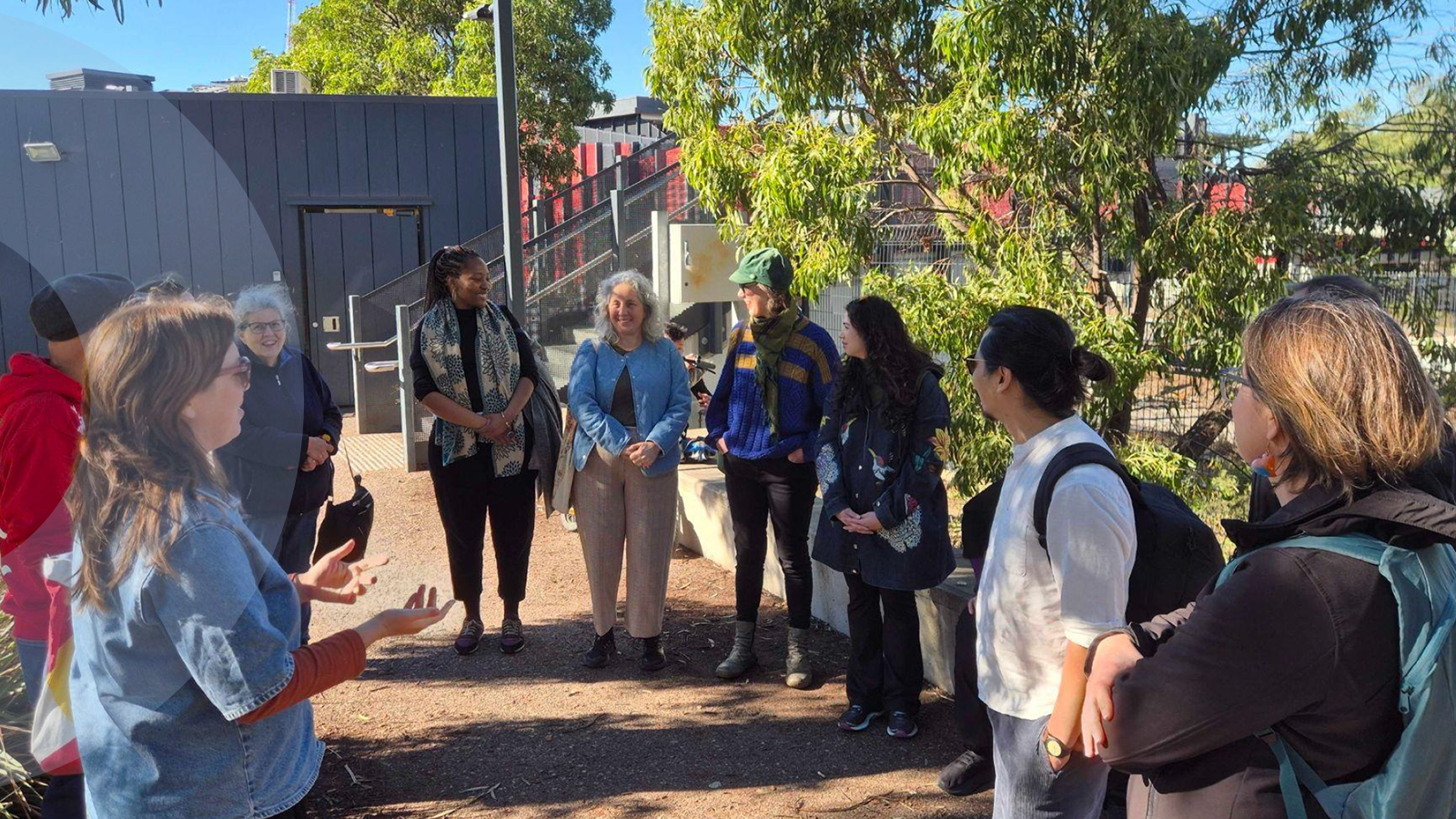
In place, it looks like intentionally curating immersive experiences centring the Birrarung River. Examples of this in our work include events such as:
Changing the Stormwater Conversation: an interactive conversation surfacing the role that stormwater infrastructure could play in the health of the Birrarung River and exploring how we could revalue stormwater as a key resource to the water resilience of our city. This centred a 3D Model of the City of Melbourne, bringing layers of data to life in powerful ways that helped relate to information differently, connect planning initiatives, adopt new narratives and show potential to support decision making.
Tomorrow’s River: a collaborative experience with WonderLab centred around reimagining connection with a healthy and climate-resilient Birrarung. Participants practiced their collective creative agency by time-travelling into possible futures where the river is thriving, and committed to caring for the river in the present. Beyond a cognitive understanding led purely by our heads, the shift we sought was embodied through the experience of a memorable and collective way of practicing alternative futures where the river is thriving.
These experiences remind us that – despite the jobs and roles we play – we are human and part of life. Connecting from that place has the power to shift from strategies to coherence and collective action. Yes, the size of the mountain we must climb to overcome the climate knowledge-action gap can feel overwhelming. Those already aware of the facts don’t need more ‘intellectual’ knowledge. Often, what people need is ways and support to transform their knowledge into meaningful action. Reminders that they are not alone in their efforts, can connect with others with a shared purpose, and can create pathways to collective action together.
As Louise Wo writes in her essay on collective joy: “When we create environments that foster collective effervescence, we invite opportunities for oneness and belonging”. French sociologist Émile Durkheim describes collective effervescence as the “feeling of energy and harmony when people are engaged in a shared purpose.” The same kind of resonance you feel when you’re at a live concert, street party or singing with your local community choir. This isn’t new, people know and have practiced versions of this across diverse cultures and traditions. We’re just now integrating the various threads together to articulate what we’ve been doing all along, and learning to share along the way.

.png)