.webp)
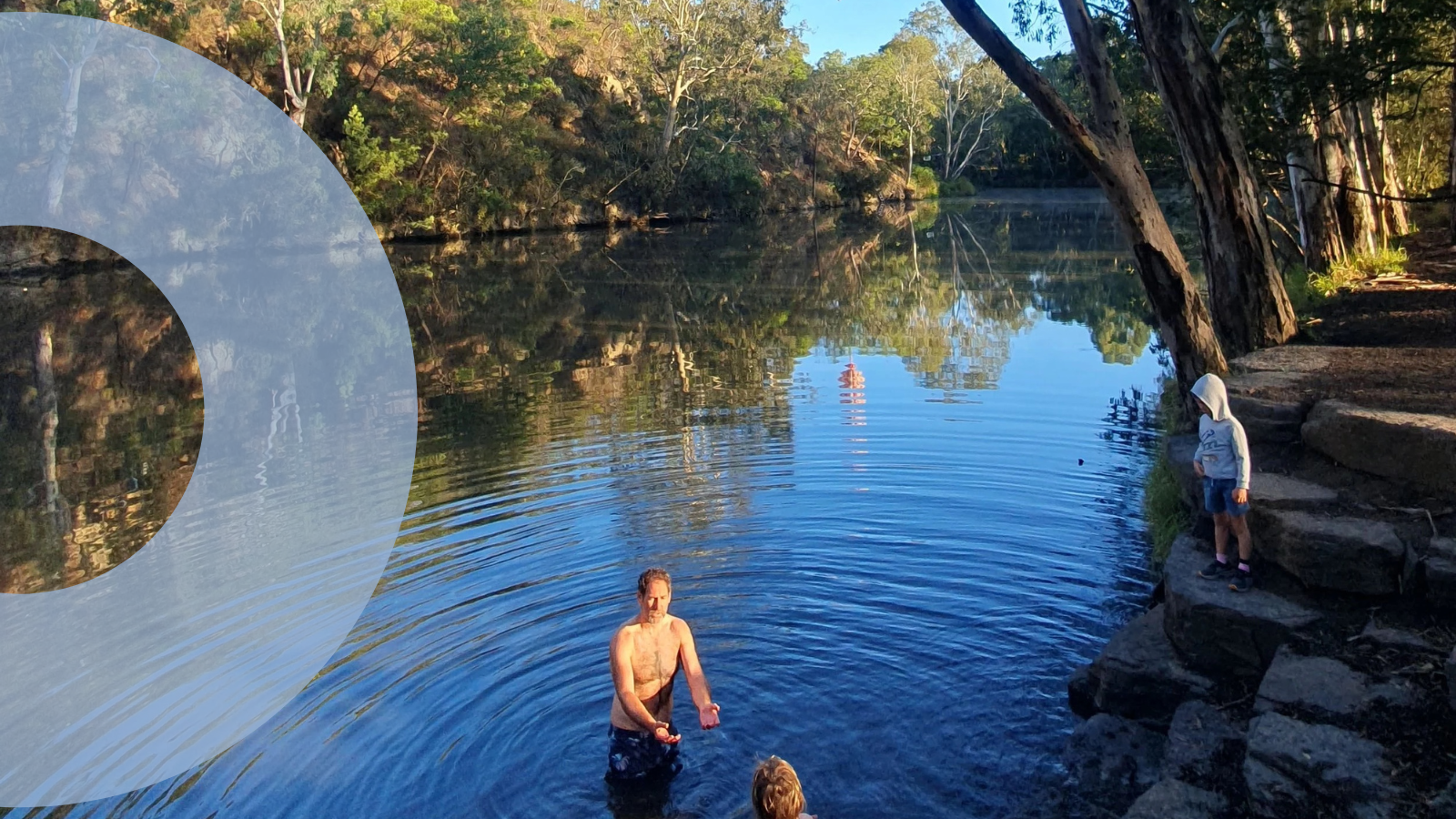
They've pulled it off in Chicago, Paris, Copenhagen and even Sydney. So how close is Melbourne to having a swimmable Birrarung? On World Rivers Day, Regen Melbourne's Swimmable Birrarung Lead Convener, Charity Mosienyane, shares how far we've come and what needs to happen next.
Back in July,I found myself in the heart of Paris during a scorching heatwave. Local pools and the recently opened public swimming spots in the Seine were brimming with Parisians and tourists seeking reprieve. With a towel slung over my shoulder, I jumped on a 30-minute Métro ride and joined the locals heading to Joinville-le-Pont, a modest-yet-delightful swimming location on the Marne, the largest tributary of the Seine River.
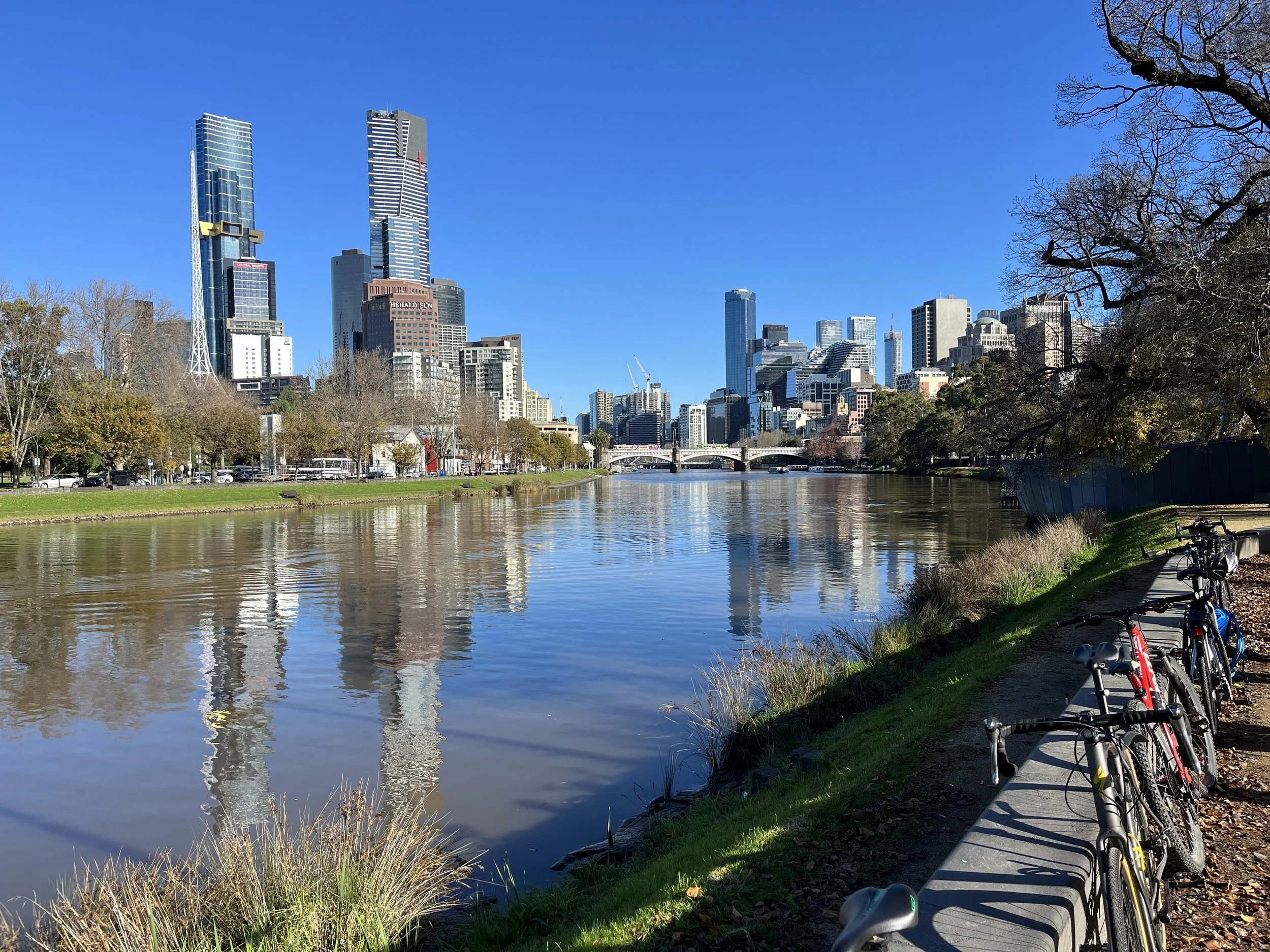
Floating on my back and gazing up at the lush green trees that nestle the pools, I couldn't help but imagine myself back home in Melbourne, bobbing around in the heart of our beautiful city, with the Arts Centre spire or MCG as my backdrop. I could see AFL players wading waist-deep in the Birrarung during training sessions. Children from local schools learning to swim in freshwater lap pools. Tourists zooming past on stand-up paddleboard tours. Office workers stripping down for a post-work swim on a hot summer evening.
The Swimmable Birrarung vision is more tangible than ever before. We now have institutional buy-in. The public is on board. The global examples show us it can be done. The pathways are mapped. The community is engaged and growing.
Not all that long ago, cooling off in the Seine was not only considered impossible, it was illegal. Now swimmable rivers are a reality in many cities around the world. Five years into our Swimmable Birrarung project here at Regen Melbourne, the question is no longer whether the Birrarungcanbe swimmable – butwhenwe will make it happen.
The tides are turning
In July 2025, the City of Melbourne unanimously passed a motion put forward by Councillor Davydd Griffith to investigate actions to make the Birrarung swimmable, the role of government in creating an enabling environment, and locations along the river to trial swimmability. In the lead-up to this motion, Mayor Nicholas Reece publicly expressed that the Birrarung could be swimmable by 2050. City of Melbourne is the second council to publicly announce support of a swimmable Birrarung. The City of Yarra confirmed their commitment in 2024, becoming the first local government to sign the Swimmable Cities charter and then codifying it in their Climate Emergency Action Plan 2024-2027.
Why is this such a big deal? Institutional support represents a pivotal milestone for the river and Greater Melbourne. Nearly two million people currently call the Yarra catchment home – and this is likely to be closer to three million by 2050.
"The Swimmable Birrarung vision is more tangible than ever before. We now have institutional buy-in. The public is on board. The global examples show us it can be done. The pathways are mapped. The community is engaged and growing."
From Sydney's Parramatta River to Copenhagen's harbour, local municipalities have played critical roles in driving the intergovernmental and cross-sectoral collaboration required to create enabling environments and unlock the resources necessary for whole-of-catchment transformation.
Recent examples include Paris mayor Anne Hidalgo, who was integral to making the Seine swimmable in time for the 2024 Olympics while driving increases in blue and green infrastructure across Paris. Earlier this year, London mayor Sadiq Khan announced the formation of a cross-sectoral coalition with an investment of £1.8 billion towards improving waterway health across London.
Like Paris and London, support from the City of Melbourne and City of Yarra has the potential to create a ripple effect that brings together local and state government, technical experts, community, and business to form a coalition ready to deliver on actions required across the 4,000 square kilometres of the Yarra catchment.
Riverfest 2025: From little things, big things grow
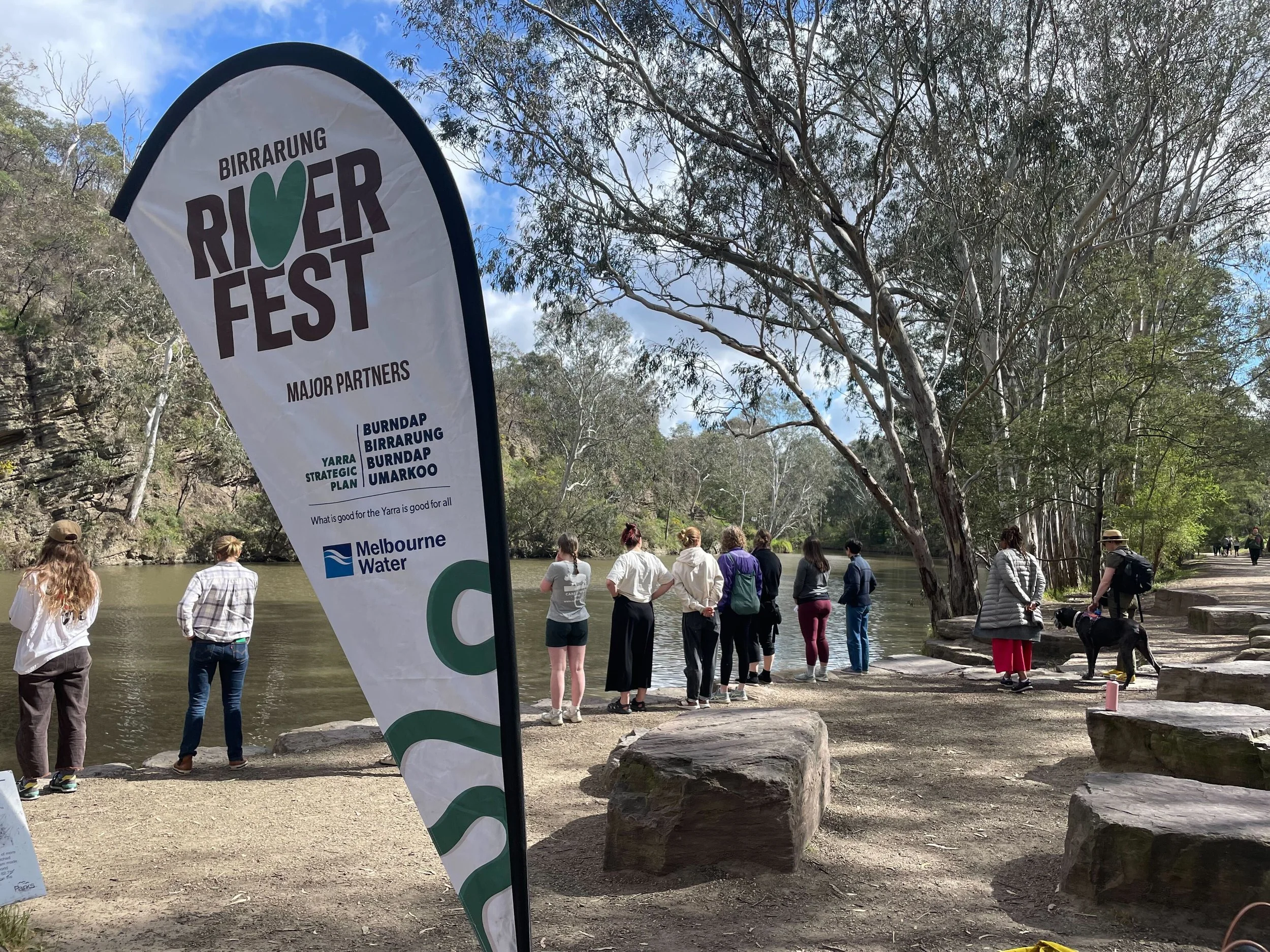
It's not just the institutions that are shifting – the people and community are organising too. Few things sum up this momentum as much as Birrarung Riverfest, which has just wrapped up its third annual festival. Since its inaugural event, the program has increased fivefold and community attendance has grown by more than 500%.
Riverfest is now a beloved feature on Melbourne's event calendar – showing off the river from all angles, and welcoming in the wider community to play with, and learn about, this extraordinary body of water that shapes our city.
Swimmable Birrarung EARTHSHOT update
Over the last year, the Swimmable Birrarung Earthshot has come a long way. Critically, we've developed the Transition Pathways: nested strategies that serve as our roadmap toward swimmability, informed by over five years of convening work and based on lessons learned from cities like Sydney and Los Angeles.
Some of the Transition Pathway projects that we're getting started on include:
A participatory masterplan:Involving the public in identifying their preferred swimming locations along the Birrarung and creating a swimming corridor from source to sea.
A water quality baseline:Increasing water quality monitoring locations along the river using latent infrastructure. This baseline is essential for understanding the river's current state so that future interventions are effective and measurable.
What needs to happen next?
Our job now is to take all this momentum and run with it. To do so, there's a few things that need to happen:
Lock in a 'swimmable' date
Parramatta River had a target of 10 years, and Paris had the 2024 Olympics. Why not adopt the City of Melbourne's 2050 vision for the city and extend it to the entire river catchment?
Revalue what water means to Melbourne
The last time the value of water was front-and-centre in Melburnians minds was during the Millennium Drought – over 20 years ago. In the city reaches of the Birrarung, over $3.3 million is spent annually removing litter from the river; and 13 tonnes of silt, rubbish and organic material is removed from gross pollutant traps.
Transparency of major pollution sources
System-wide stormwater and industrial pollution interventions require a transparent and holistic overview of major pollution sources and points entering the river.
Increase real-time water quality monitoring
Accessible real-time water quality monitoring across the catchment over prolonged periods provides reliable baselines and paints a picture of what is happening throughout the system.
Drive action through aligned catchment-scale governance
Coordinated catchment-scale governance with aligned and integrated responsibility was a defining characteristic for both the River Seine and Parramatta River.
Let's do this: 2050 here we come
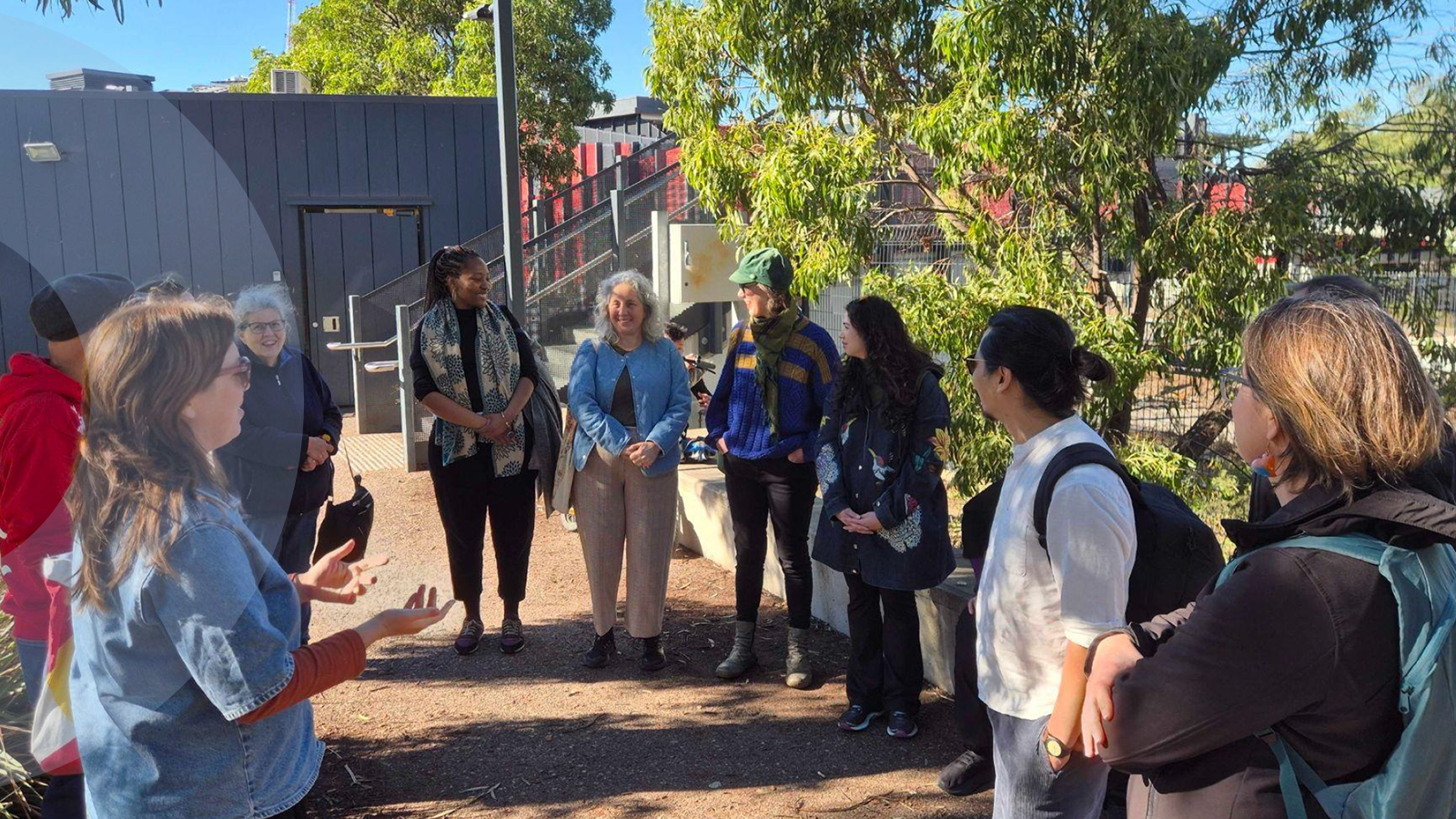
On the eve of World Rivers Day and the final weekend of Riverfest 2025, about 40 Melburnians gathered at Deep Rock: a swimming location on the Birrarung, approximately 5km from the city centre.
Before doing so, researcher Dr. Rebecca Olive talked to us about the river as a water body interacting with usaswater bodies; the role stormwater plays in that interaction; and the importance of rivers as environments for humans and non-humans requiring respectful coexistence.
When we finally waded into the water, shouts of surprise and laughter bounced off the trees around us. What a joy it was to reconnect with the Birrarung together, as a community.
The Swimmable Birrarung vision is closer than ever. What we need now is political will and investment. We need to move beyond planning and conversation into implementation. Melbourne has always been a city that rises to meet big challenges. Making the Birrarung swimmable by 2050 is not just possible – it's essential to shaping a sustainable and liveable city.
The time for action has arrived. Let's channel our collective celebration into collective implementation. 2050, here we come.
Want to stay informed about all things Swimmable Birrarung? Join ourSubstackfor monthly updates.

.png)